
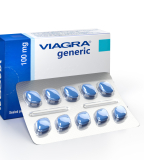
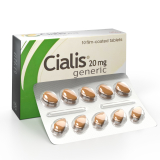
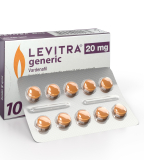
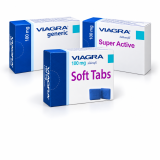

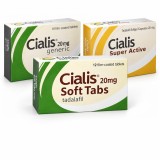
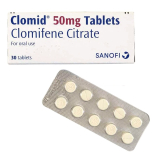
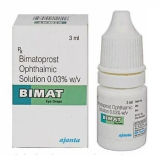
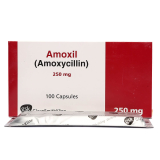
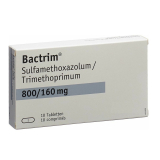
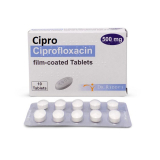
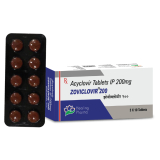
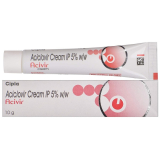
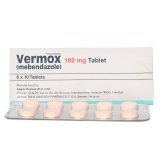
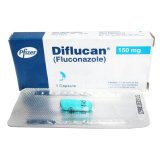
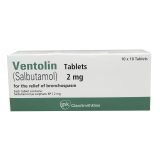

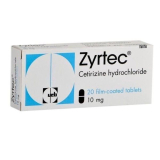
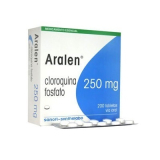
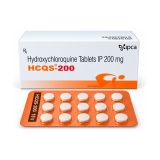
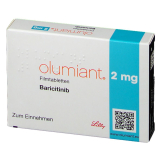
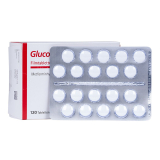
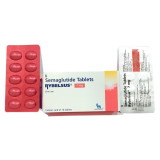
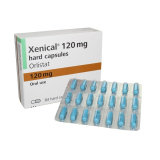
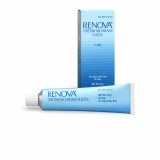
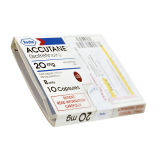
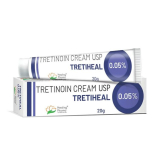
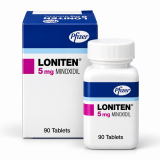
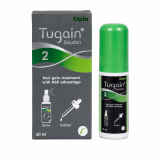
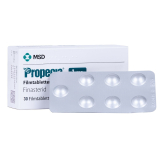
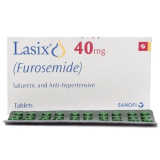
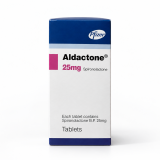
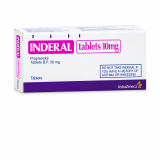
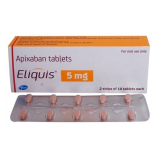
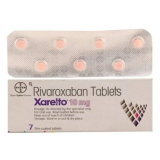
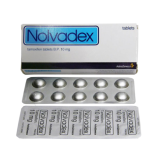
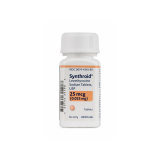
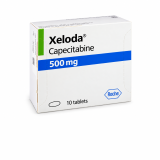
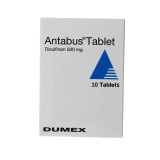
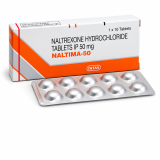
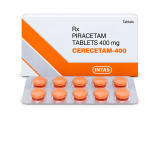
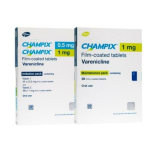
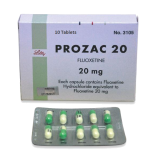
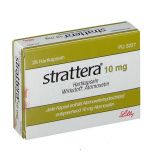
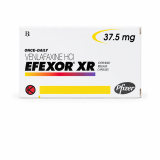
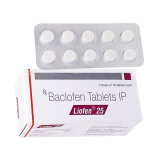
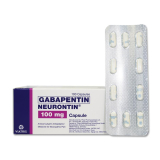
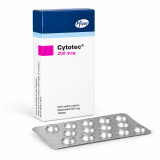
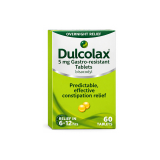

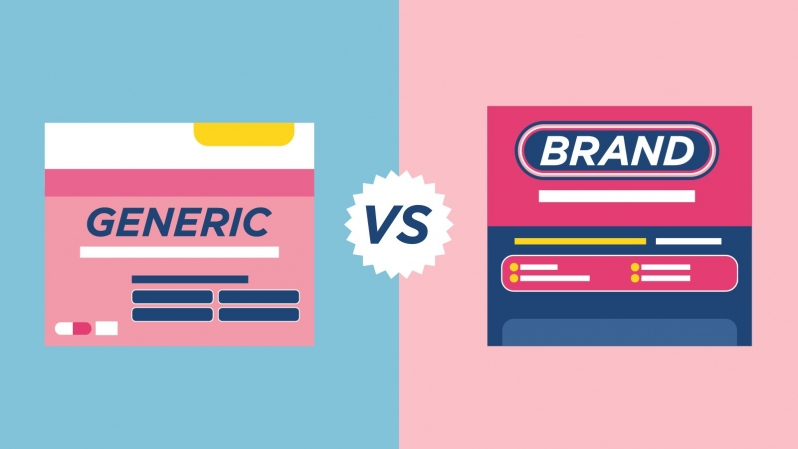
According to the international classification generic is a pharmacological analogue of the original patented medicinal product.
Generics are produced using international quality standards, so they cannot be considered counterfeit and are freely sold all over the world. As a rule, any existing drug has analogues that are created after the end of the patent of the existing brand name. This is normal pharmaceutical practice.
Generic drugs are as effective and safe for the human body as the original patent medicines.
Each analogue contains the same active substance as the original drug, since a similar chemical formula is used in their production. It is impossible to deviate from the original chemical formula in the production of a generic, since before entering the pharmaceutical market, each drug undergoes mandatory testing and only after meeting international requirements is it allowed for sale.
How are generics developed?
The development and production of a medical product is a complex multi-year process that requires large financial investments and highly qualified employees.
It takes 10 to 15 years from the start of the development of a medical product to its entry into the pharmaceutical market. During this period, a pharmaceutical company conducts research, animal clinical trials, refines the chemical formula, and awaits approval from higher health departments before being allowed to the market.
The presence of a brand name on the pharmaceutical market is protected by a patent for a short period. As a rule, the term of patent protection lasts from 6 to 12 years, depending on the conditions.
After the term of patent protection ends, pharmaceutical companies can buy a license to use the active substance for the production of a similar drug under a different brand name.
The sale of a generic on the international pharmaceutical market is possible only if all the conditions for the production of this drug according to the existing formula of the original drug are met.
Official manufacturers of generics can guarantee the high quality of their products, as they use the same chemical substances and technologies in the production process as in the production of a brand drug.
What is the difference between a generic drug and a brand drug?
The difference between a generic and a brand drug is in the price. With full compliance of all the pharmacological properties of the analogue and the brand drug, the generic will always be cheaper.
The low price of a generic is achieved at the expense of low production costs. Multi-year development of a brand drug involves huge investments. As is known, all company costs are covered by the final price of tablets. And these are not only production costs, but also expenses for marketing, logistics and other forms of promotion.
Generic drugs are produced according to the existing chemical formula, so a manufacturer does not conduct any research work. Accordingly, the price of a generic on the international market is several times lower than the price of a brand drug, since high markups are not needed to cover the costs of drug production.
There may be a significant price difference between a generic drug and a brand drug. An analogue may be 2–3 times cheaper, or its price may be even 10–15 times lower. This depends not only on the active substance and segment, but also on the size of the brand producing the drug. For example, the blue Viagra is 7–10 times more expensive than generics just because Pfizer spends millions of dollars on marketing and must cover these costs at the expense of the price of pills.
With regular use of drugs, generics will always be the winner since the buyers receive, for little money, a drug that gives the same result as a brand drug.

This article is general information, not a diagnosis or a treatment plan for your situation. Talk to your doctor or pharmacist before changing any medicine.